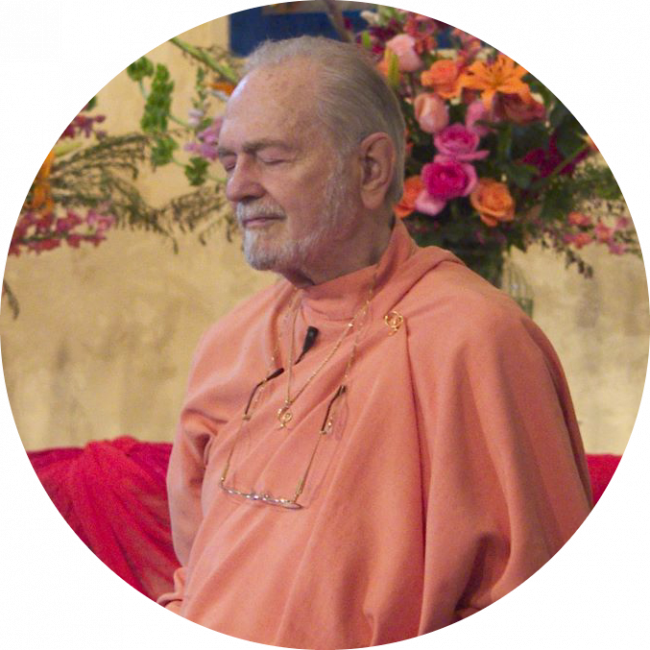
“The soul loves to meditate, for in contact with the Spirit lies its greatest joy.”
— Paramhansa Yogananda
What Is Ananda's Meditation Style?
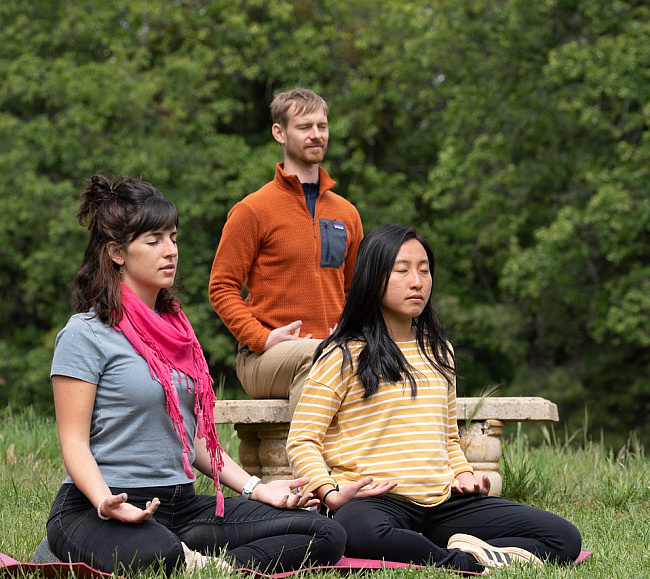
Ananda’s meditation techniques promote deep inner peace and Self-realization. They are all part of the path of Kriya Yoga as taught by Paramhansa Yogananda (author of Autobiography of a Yogi), a comprehensive spiritual journey that offers scientific methods for energy control.
These techniques do not require any belief system to practice. They work directly with the source of inner growth — the spiritual energy deep in the spine, empowering you to take charge of your life and happiness, and ultimately achieve union with the Divine.
How Can I Learn Meditation?
Get started on your meditation journey with Ananda
Why Learn to Meditate from Ananda?
Discover Yogananda’s Meditation Techniques
Explore the simple yet profound meditation techniques taught by Paramhansa Yogananda. These methods foster a deep connection with the divine and pave the way for a more spiritual life.
Meditate Deeply and Consistently
Learn essential tools and techniques for a sustainable practice. We’ll guide you step-by-step to help you meditate consistently and effectively.
Get Personalized Support from Experienced Instructors
With over 55 years of experience, our instructors provide personalized support to help you develop a lasting and steady meditation practice. Join us and experience the ancient truths of meditation firsthand.
I truly believe these techniques in meditation are the airplane ticket to God realization. They are simple and effective. I have not experienced more joy and peace from any other methods. I know that if these lessons were the only literature I had, I would not be needing anything else. Garth
Meditation Resources
For improving your meditation practice
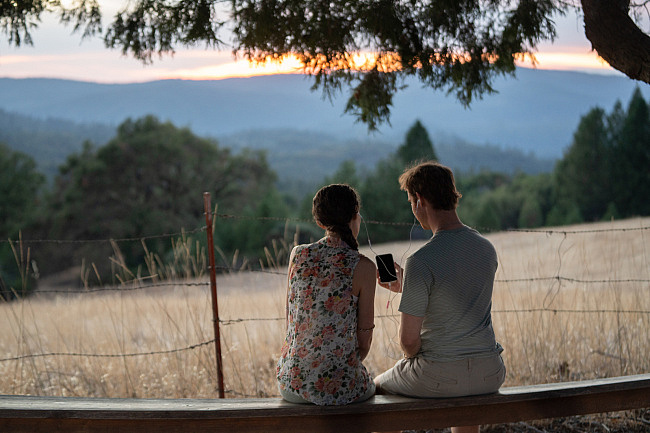
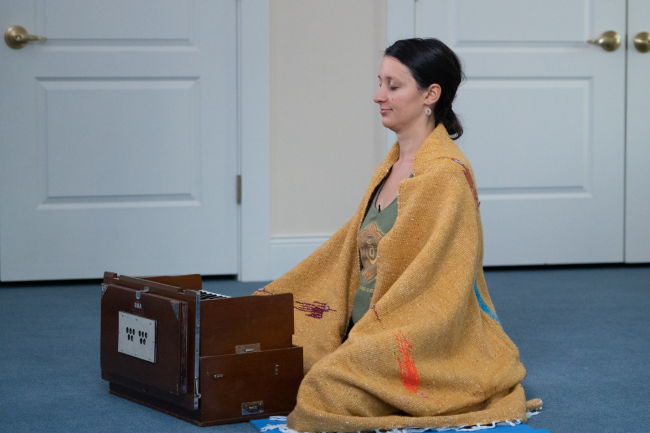
Guided Meditations
Meditate with our teachers and develop qualities such as divine love, peace, and calmness.
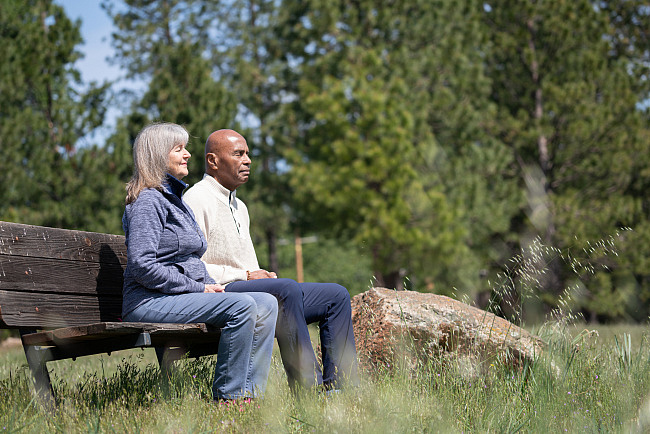
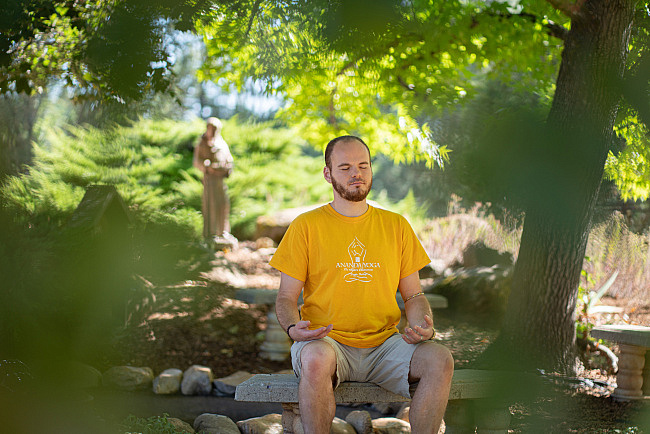
Questions about Meditation
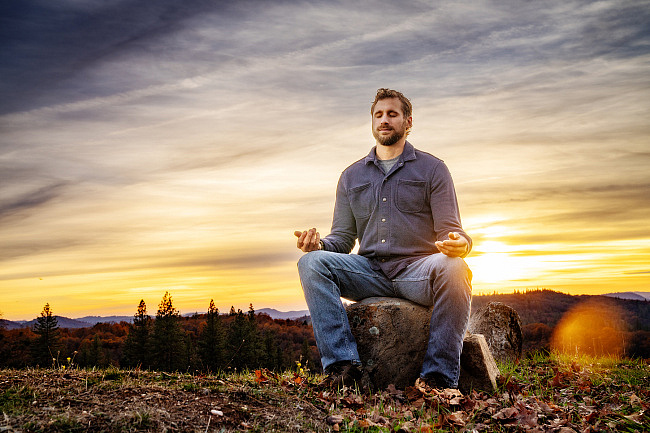
Meditation is a state of intense awareness achieved by stilling and concentrating the thoughts. It is a journey to the center of our own being, a process so perfectly natural that we don’t have to learn how to meditate. Rather, we have to unlearn those habits and attitudes that keep us from experiencing our natural state of expanded awareness. (Lessons in Meditation by Jyotish Novak)
Physical
- Release tension
- Increase circulation and detoxification of the blood
- Strengthen the immune system
- Lower blood pressure
- Reduce chronic pain
- Slow aging
Mental/Emotional
- Decrease stress and anxiety
- Improve concentration and memory
- Promote inner strength, emotional balance and resilience
- Increase creativity and problem-solving skills
- Help you overcome fears and insecurities
- Cultivate positive thinking and attitudes, such as willpower, cheerfulness, and generosity
Spiritual
- Enhance intuition
- Improve connection and harmony with inner self and the Divine
- Increase compassion and empathy
- Feel inner peace, expansive joy and unconditional love
- Discover your higher Self
- Progress toward enlightenment
Above all in meditation, be happy! If you want to experience peace, meditate peacefully. If you want to know love, offer love first, yourself. It isn’t that superconscious states can be created by right attitudes. They don’t appear by command performance of the conscious mind, but are the fruits, rather, of right meditation. However, you can hold yourself in readiness for those experiences by placing yourself on their “wavelength,” instead of clinging with “scientific objectivity” to opposite states of consciousness. (Awaken to Superconsciousness by Swami Kriyananda)
To start meditating these 6 guidelines will help you gain regularity:
- Set a Regular Time: Meditate at the same time every day to build a habit. Ideal times are sunrise, sunset, noon, and midnight, but any consistent time will work.
- Create a Dedicated Space: If possible, set aside a room or a portion of a room for meditation. This space will develop an atmosphere of peace that will help you go deeper in your practice.
- Start Small: Try to start with 15 minutes of meditation daily. Gradually increase the duration as you become more comfortable.
- Posture: Sit in a comfortable position with your spine straight and body relaxed. You can use traditional poses like Vajrasana, Siddhasana, or Padmasana, or simply sit in a chair.
- Consistency: Meditate deeply for a short time rather than absent-mindedly for a long time. Consistency and depth are more important than the length of your meditation.
- Daily Integration: Pause occasionally during the day to recall the peace and joy you felt during your morning meditation. This helps maintain a meditative state throughout the day.
By incorporating these practices, you will find it easier to make meditation a regular part of your daily routine and experience its benefits more profoundly.
It is recommended to meditate at least twice a day. Here are some guidelines:
- For Beginners: Start with at least 15 minutes of meditation. Gradually increase the duration as you become more comfortable.
- Intermediate Practice: Aim for half an hour twice a day—once in the morning after you get up and once in the evening before going to bed.
- Advanced Practice: Ideally, meditate for an hour and a half twice a day, when you can do so without strain.
- Longer Meditations: Once a week, try to meditate for a longer period, such as four to six hours, to break the habit of thinking you can meditate only for short periods.
The key is to meditate regularly and deeply, rather than for long periods absent-mindedly. Consistency and depth are more important than duration.
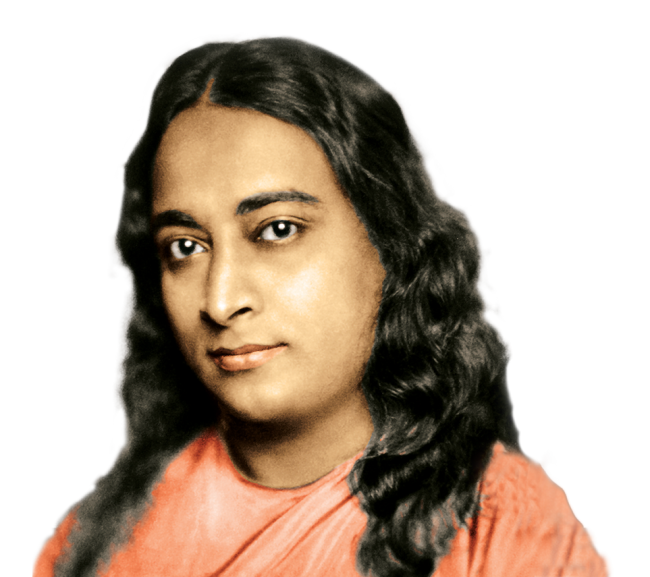
Paramhansa Yogananda was one of the first yogis, and perhaps the greatest, ever to live and teach in the United States. Yogananda came to America in 1920 in order to address the Council of Religious Liberals in Boston. He stayed on to write, lecture, and give classes in yoga. Within a few years he became an enormously popular figure. His classes were so well received that crowds had to be turned away even at America’s largest auditoriums, such as Carnegie Hall in New York. But Yogananda was far beyond being enamored of popularity. He came to this country not for fame but simply to offer the soul-liberating teachings of yoga. In the mid-1930s he moved to Los Angeles and established a center to spread these teachings. It was here that he wrote his classic book Autobiography of a Yogi, which has introduced millions to the wonders of yoga.
Swami Kriyananda (J. Donald Walters) is the founder of Ananda.
In 1948, at the age of 22 Swami Kriyananda became a disciple of the Indian yoga master, Paramhansa Yogananda.
At Yogananda’s request, Swami Kriyananda devoted his life to teaching and writing, helping others to experience the joy and living presence of God within.
Swami Kriyananda has taken the ancient teachings of Raja Yoga and made them practical and useful for people in every walk of life. His books and teachings cover nearly every field of human endeavor, including spiritualizing business life, leadership, education, the arts, community life, and science. He has written extensive commentaries on the Bible and the Bhagavad Gita.
Swami Kriyananda is also known as the “father of the intentional communities movement” which began in the United States in the late 1960s. Inspired by his guru’s dream of establishing spiritual communities, in 1968 he founded the first of what are now nine Ananda communities worldwide. They provide a supportive environment of “simple living and high thinking”.
“Meditation is a returning to our center within. ”
— Swami Kriyananda